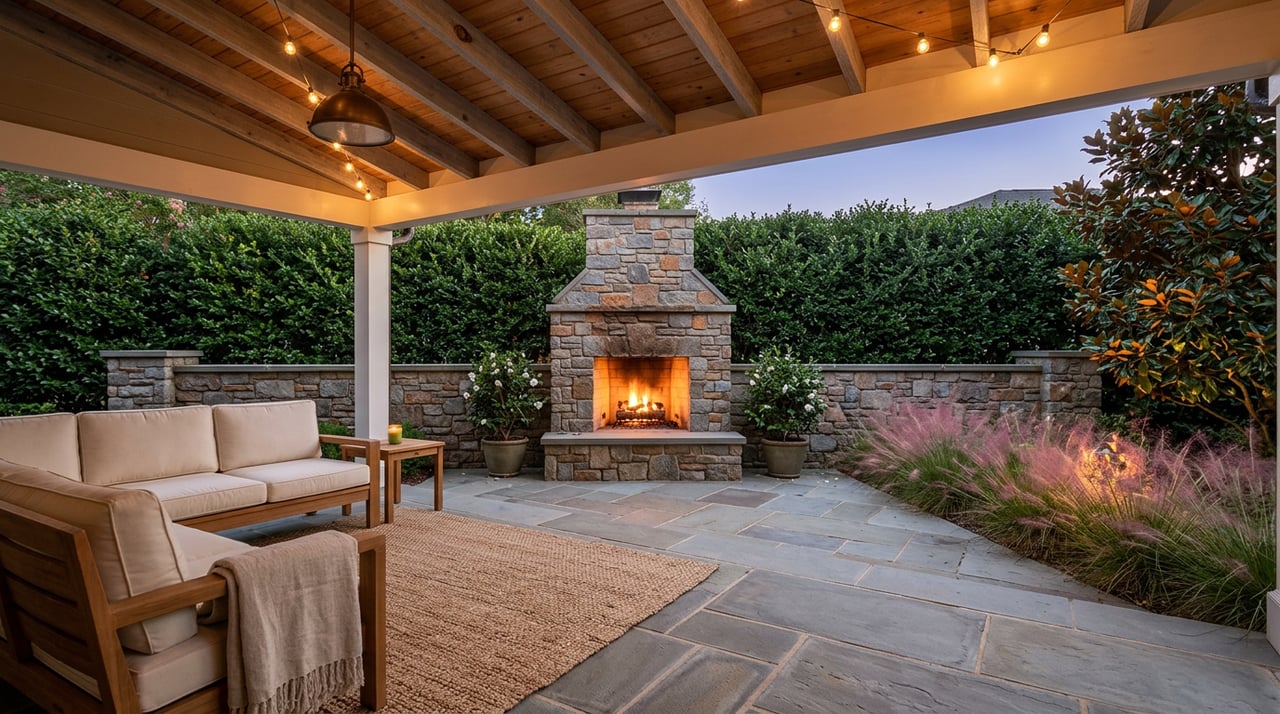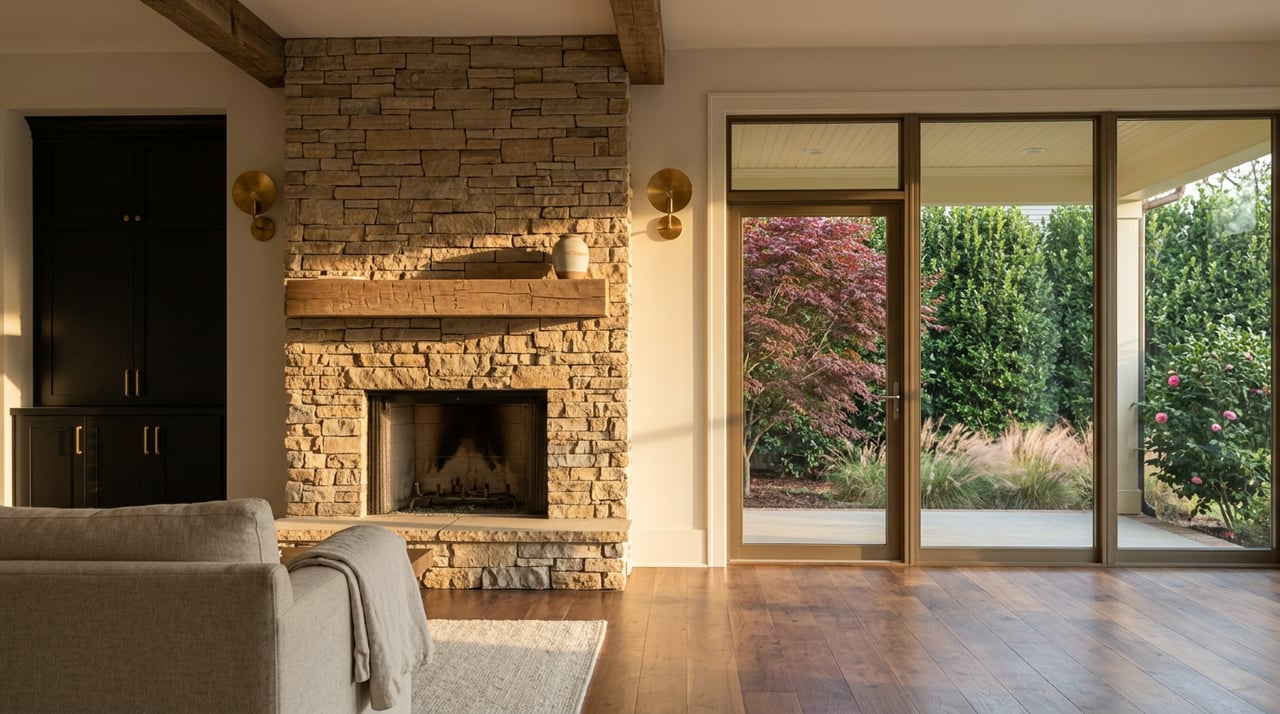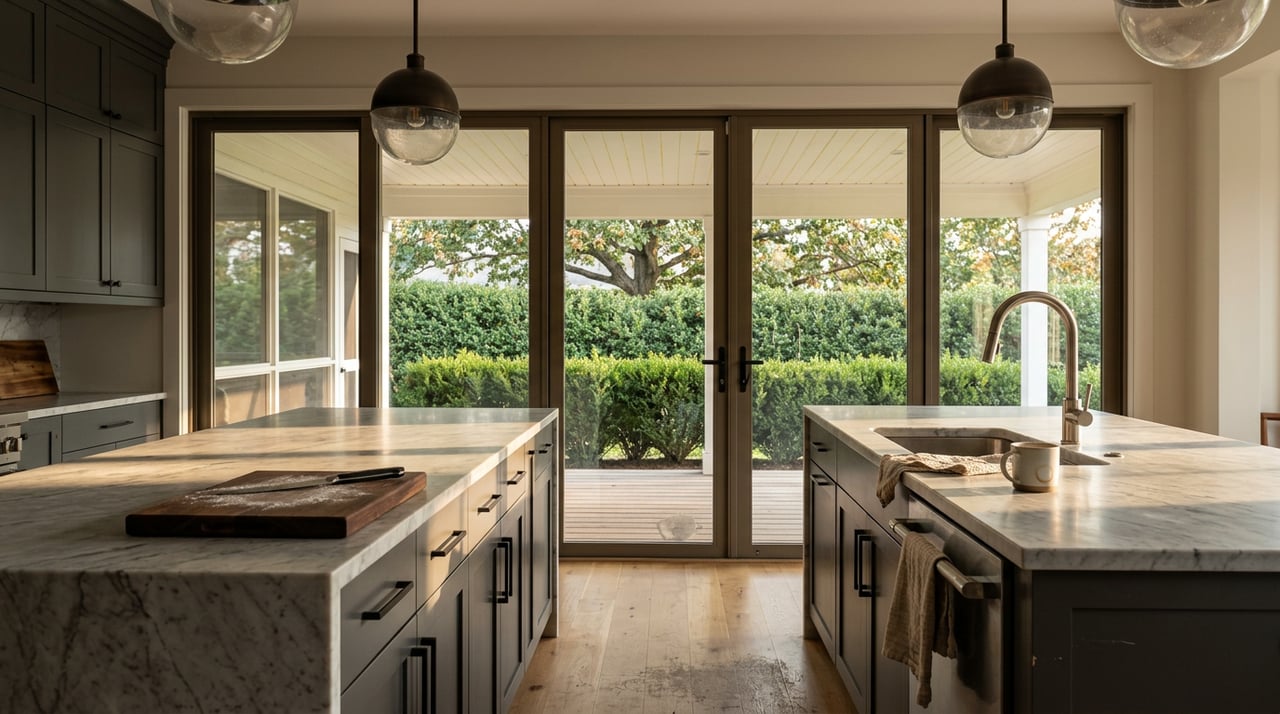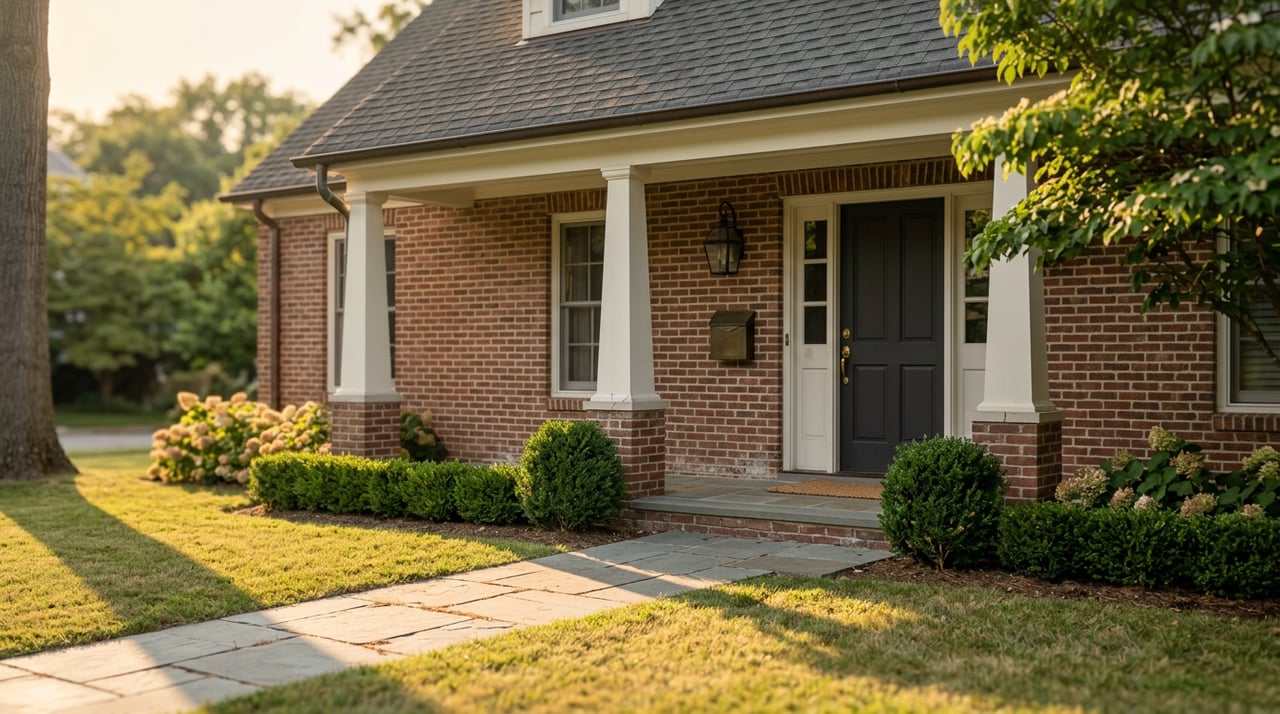
If you have spent an evening comparing Loganville listings against Grayson, Dacula, or the Athens-side commute, the headline data probably looked boring. In July 2026, Loganville homes were listed at a median price of $431K, a 5% decrease from July 2025. A modest annual dip, and near-flat month over month. That reads like a market on cruise control.
It isn't. The sticker price is the least-negotiated number on the page right now. The discount has migrated somewhere else, and where it landed decides what your budget actually buys in this corner of Walton and Gwinnett counties.
The friction that shows up at the closing table, not on the listing page
Start with the number that doesn't fit the "calm market" story. Homes in Loganville are selling after a median of 91 days on the market, compared to 25 days a year earlier. Movoto's July snapshot is more conservative but still elevated at a median of 69 days on the market in July 2026, roughly the same as July 2025. Either way, the pace is nothing like the 2021–2022 rhythm buyers still expect.
That gap between list date and closing date is where the money actually moves. According to the Alliant National 2026 Georgia Economic and Real Estate Outlook, GAMLS data showed that 62 percent of homes sold in 2025 included seller concessions averaging around $4,000 per sale, while 41 percent of listings had taken price reductions since January. Statewide, home prices dropped 2.5 percent in 2025.
Translate that to a Loganville transaction. If the median listing sits near $431K and follows the state pattern, the buyer who negotiates well is not knocking $20,000 off the asking price. They are asking for closing-cost credits, a rate buy-down, an HVAC or roof replacement written into the contract, and a longer inspection window. Sellers who priced with 2022 in mind are more likely to say yes to those than to a big price cut, because the reduction never shows up in the comps that will price their neighbor's house next month.
Where the discount actually lives
Think of the price cut as water. It has to go somewhere. In Loganville right now, it is pooling in four places:
- Time. Longer days on market give buyers room to write conditional offers and walk away from thin ones.
- Concessions. Closing costs, rate buy-downs, and repair credits, rather than a lower headline number.
- Builder incentives. New-construction sellers have more levers than resale sellers, and they are pulling them.
- The county-line effect. Two identical floor plans can carry meaningfully different long-term costs depending on which side of a boundary they sit on.
Each of these is invisible on a portal search sorted by price. That is why the "calm market" story survives on the surface.
The Walton–Gwinnett split that quietly reprices identical houses
Loganville is one of the few places in metro Atlanta where the city limits cross a county line. Loganville sits in western Walton County, with the city limits extending west into southeastern Gwinnett County. That is not a trivia point. Which county your specific address falls in decides your property-tax bill, your school system, and your county services, even inside the same city, and two neighbors on the same street can pay different counties and send kids to different districts.
For a buyer, this means two listings with the same square footage, same year built, and same list price are not the same product. The Gwinnett-side home carries Gwinnett County property tax rates and Gwinnett County Public Schools attendance. The Walton-side home carries Walton's rates and the Walton County School District. Over a ten-year hold, those millage differences add up to real money, and they change the monthly payment even before the mortgage is factored in.
The practical move before you write an offer is simple. Pull the parcel record. The county tax assessor's site will tell you exactly which jurisdiction that lot belongs to, what last year's assessed value was, and what the current-year tax bill runs. On a Loganville-address home, do not assume; verify.
What the builders are telegraphing
Resale sellers negotiate one house at a time. Builders negotiate a pipeline, which is why their incentive sheets are a useful market signal.
At Davidson Homes' Kelly Preserve, a gated active-adult community on the Loganville–Snellville side, the current promotion is a 3.75% rate lock for 5 years on select homes, with the offer running through August 16, 2026. Century Communities is running a Hometown Heroes credit of up to $1,500 on new construction in the same market. Jome's June 2026 inventory count for Loganville showed a portfolio of 239 newly built homes crafted by 14 developers in the area, with D.R. Horton, Reliant Homes, Stanley Martin Homes, Taylor Morrison, and McKinley Homes as the key developers.
Rate buy-downs and closing credits are what builders offer when standing inventory has been sitting. They preserve the list price on paper, which protects appraisals in the subdivision, while quietly lowering the monthly payment that actually determines whether the buyer signs. If you are shopping new construction here, the negotiation is not about the base price. It is about which incentive stack you accept, and whether you can substitute a design-studio credit for a rate concession you don't need.
The trade-off worth understanding: much of the existing housing stock in the region dates back several decades, often requiring significant capital expenditures for aging roofs or outdated HVAC systems. New construction removes that near-term risk. Older-resale saves you subdivision fees and often puts you on a larger lot closer to the Highway 78 corridor. Neither is universally the better deal. It depends on how you value the incentive stack against the deferred maintenance you would otherwise absorb.
Reading a Loganville listing the way an offer would read it
If the thesis of this market is that the sticker price barely moved but everything else did, then the way to shop it has to change too. A useful checklist before you write anything:
- Confirm the county. Pull the parcel on the Walton or Gwinnett assessor site. Confirm the tax district and the school attendance zone. Do not rely on the listing summary.
- Read the days on market like a negotiating position. A home past 60 days is telling you the seller has already been asked to move. Anchor your first offer to that timeline rather than to the list-to-sold ratio you remember from 2022.
- Ask for the seller-paid concession before you ask for a price cut. Rate buy-downs and closing credits are what sellers in this market have been saying yes to, per the statewide 2025 pattern.
- On new construction, read the incentive sheet, not the base price. A 5-year rate lock is worth different amounts to different buyers. Price it against your holding horizon.
- On older resale, price in the systems. A pre-inspection HVAC or roof estimate is more useful right now than a comparative market analysis alone.
What the market is really asking of buyers this year
With a healthier 4.7 months of supply, the Atlanta market is in a good place going into 2026, with homebuyers in the catbird seat, and as inventory grows, buyers are gaining greater negotiating power. That describes the metro. In Loganville specifically, the mechanism is more particular: Union City, Dacula and Loganville/McDonough are expected to see continued growth in 2026, which means sellers here are not panicking, but they are also not holding all the cards. They will accept a well-structured concession package faster than a bruising price negotiation.
The buyer who reads the market at that level of detail ends up in a very different house than the one who sorts by price and clicks the first three results.
A short FAQ
Is now a bad time to sell a Loganville home? No. The pace is slower and buyers expect concessions, but median list prices have held near $431K–$439K through mid-2026. Pricing sharply at the front and preparing to negotiate on credits rather than sticker is producing cleaner outcomes than pricing aspirationally and cutting later.
Does the Walton–Gwinnett split affect resale value? It affects the monthly cost of ownership through property taxes and it affects the buyer pool interested in a given school attendance zone. Whether that translates to resale price depends on the specific street, the specific year, and the comparable set. It is a factor to underwrite, not a rule to apply.
Should I wait for prices to drop further? The statewide data suggests the discount has already moved into concessions and time on market rather than price. Waiting for a sticker-price correction that has already been priced in as a credit is a strategy that can cost more in rate exposure than it saves in purchase price.
If you are weighing Loganville against Monroe, Grayson, Dacula, or the Athens end of the corridor, and you want the parcel-level detail behind the headline numbers before you write an offer, Taylor & Co. works these county lines every week. Let's Connect.